Automobile headlights, office ceiling lights, shipboard lights, and flashlights are make up the bulk of LED converted lights used in the US Military today. And just like many emerging technologies widely adopted by the military, commercial and residential LEDs have gained popularity in recent years. Regardless of whether you are a civilian or soldier, the common misconception of LED lighting is that it’s more expensive. This case study provides consolidated research that thoroughly examines and demonstrates the benefits of LEDs over its counterparts.
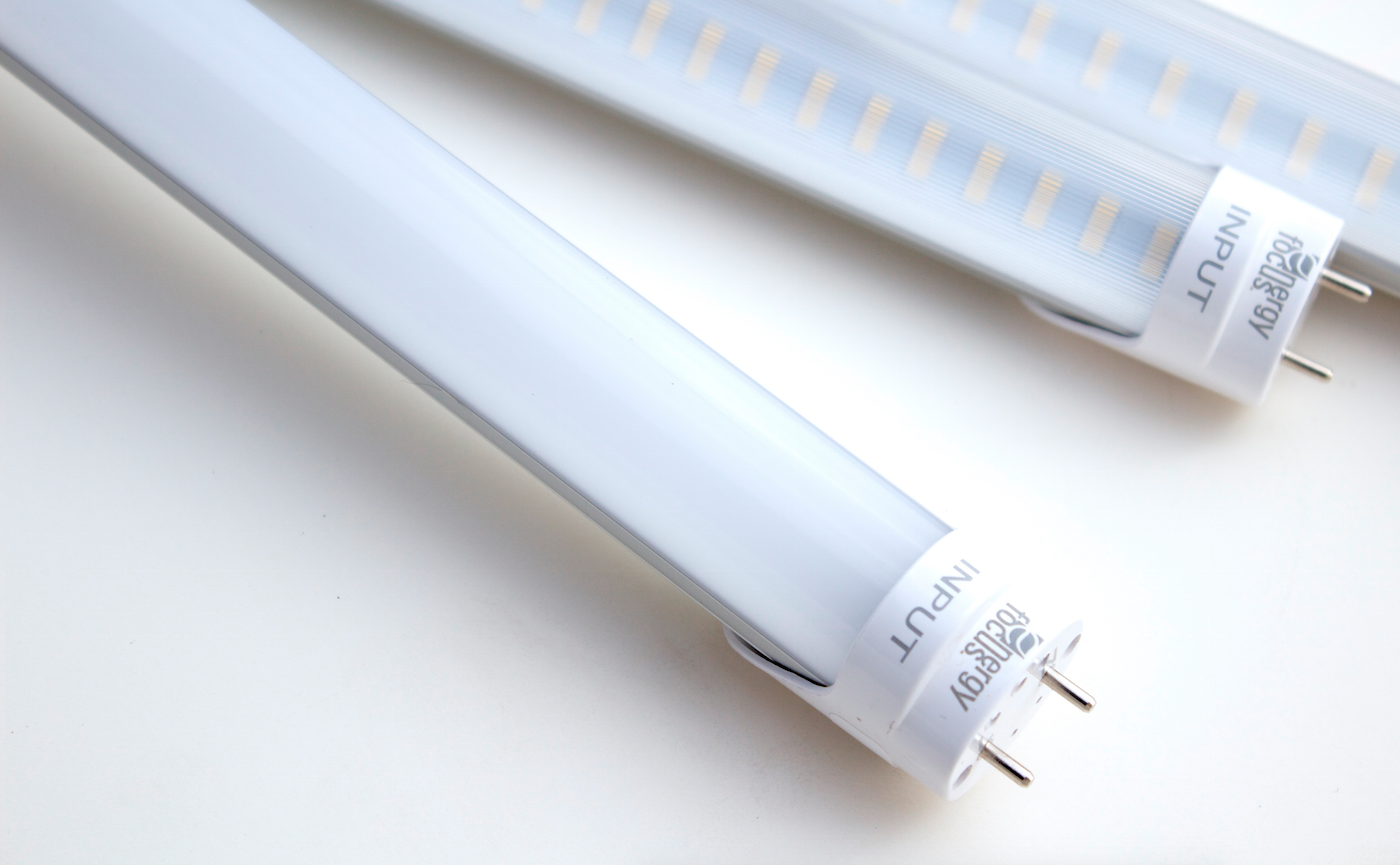
The biggest initial barrier for the widespread adoption of LED lighting (also known as Solid-State Lighting (SSL)) was a purchase price greater than the equivalent Compact Fluorescent Lamp (CFL) or incandescent bulb. SSLs are defined as a light source that emits solid-state electroluminescence through light-emitting diodes (LEDs) and do not use thermal radiation or fluorescent tubes. (Solid-State Lighting n.d.) Since 2000, the Department of Energy (DOE) has invested heavily in Solid-State Lighting (SSL) R&D projects in order to realize the full potential of LED lighting. Finding ways to optimize the use of LEDs included research and development into the reduction of material costs, greater light output, and remedy of underlying technical challenges. As a result of improved technology, the cost of LED lighting dropped almost 40% between 2011 and 2012. (Top 8 Things You didn’t Know About LEDs n.d.)
Cost Comparison
When researching the cost comparison of LED lighting compared to a CFL or incandescent bulb, the question became:
Does switching to LED lighting actually save money, and if so, when are those cost savings realized?
In Cost Comparison (Table A), the cost and lifespan of a single LED, CFL and incandescent bulb are compared. The top-level benefits of using LEDs over CFLs or incandescent bulbs are clear; LEDs cost more upfront but use less energy and last significantly longer.
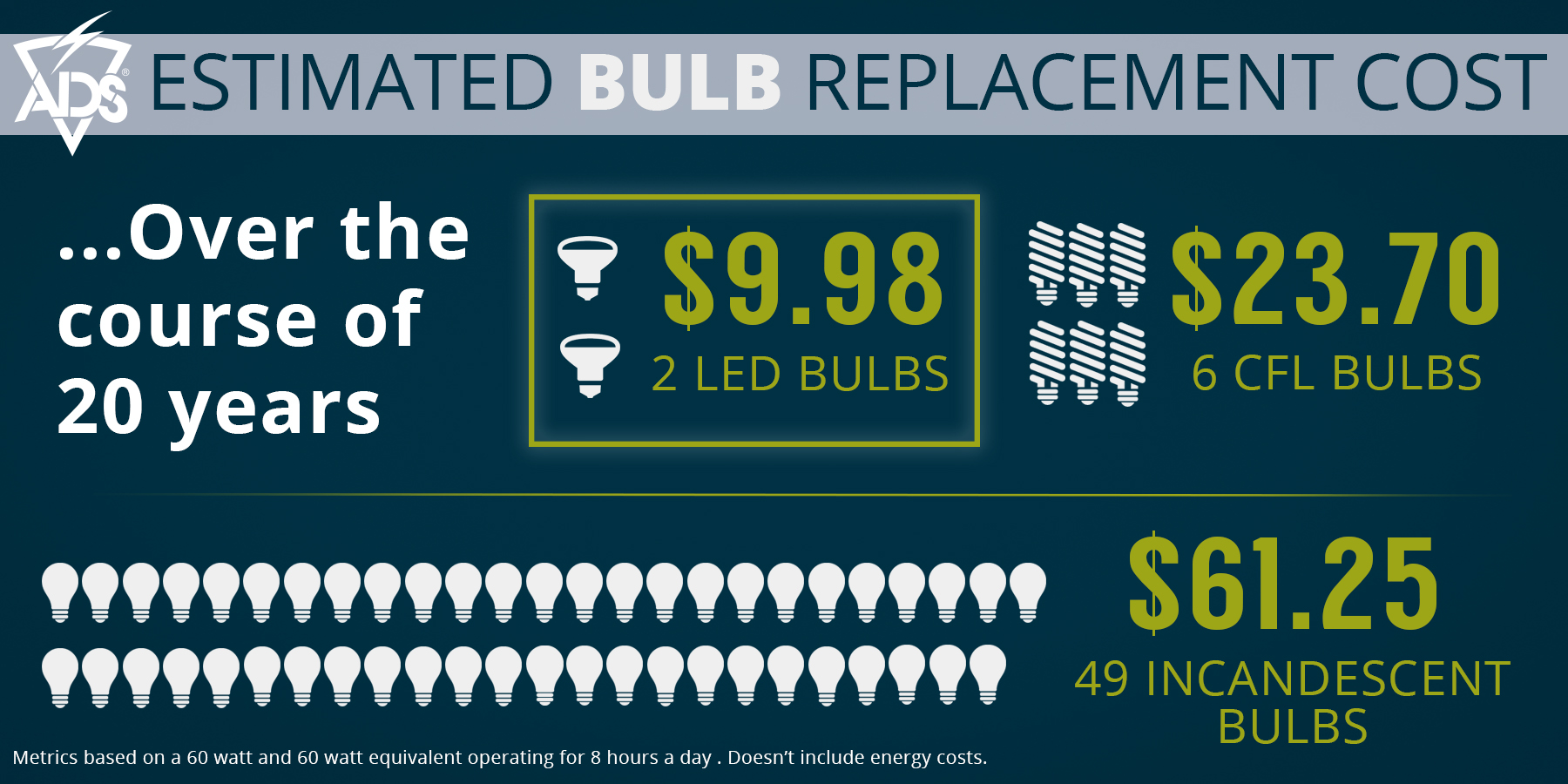
The real cost-benefit analysis of purchasing an LED bulb over its counterparts becomes clear around the 5-year mark (see Table B – 1 Ballast). At the 10-year mark, CFL bulbs cost two times the amount and incandescent bulbs are six times the amount of a single LED bulb.
TABLE A- Cost Comparison*
| Service Lifespan | Lifetime If Used 8 Hrs A Day | Projected Cost Per Bulb | KWh Of Electricity Used Over 50,000 Hrs | |
|---|---|---|---|---|
| LED | 50,000 hours | 17 years | $4.99 | 500 |
| CFL | 10,000 hours | 3.42 years | $3.95 | 700 |
| Incandescent Bulb | 1,200 hours | 150 days | $1.25 | 3000 |
TABLE B- 1 Ballast*
| 5 YEARS | 10 YEARS | 20 YEARS | |
|---|---|---|---|
| LED cost | $4.99 | $4.99 | $9.98 |
| CFL cost | $7.90 | $11.85 | $23.70 |
| Incandescent Bulb cost | $16.25 | $31.25 | $61.25 |
*The metrics shown here don’t factor in utility rate ($kWh) or energy costs
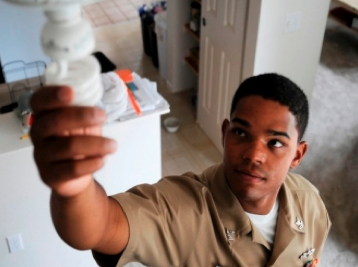
How many people does it take to change a lightbulb?
DID YOU KNOW
The U.S. Military has been one of the largest consumers of LEDs sense 1998 (Snyder 2013)
It remains unknown, but what is clear is that LED lighting doesn’t need to be replaced nearly as many times as CFLs or incandescent bulbs. Using Table C – Maintenance/Bulb Replacement, let’s examine changing a CFL or incandescent bulb over the course of 20 years.
You may think to yourself, “Changing a residential light bulb may not require much manpower or preparation.” However, imagine changing a single commercial CFL or incandescent bulb 6 – 49 times over the course of 20 years. Commercial lighting, whether on a ship or in an office, is much more abundant and will require an unwarranted amount of manpower. When lighting requirements are in the thousands, as is with shipboard lighting, changing a lightbulb becomes a man hour intensive exercise.
When you consider the time it takes to replace thousands of commercial bulbs over the course of 20 years, you may be exposing your service men and women to unnecessary risk of injury and countless hours of maintenance that would be better spent on training or fleet operations.
TABLE C- Maintenance / Bulb Replacement
| 5 YEARS | 10 YEARS | 20 YEARS | |||
|---|---|---|---|---|---|
| # of Bulbs Needed | Maintenance/Bulb Replacement | Subtotal # of Bulbs Needed | Maintenance/Bulb Replacement | Total # of Bulbs Needed | |
| LED | 1 | - | 1 | 1 | 2 |
| CFL | 2 | 1 | 3 | 3 | 6 |
| Incandescent Bulb | 13 | 12 | 25 | 24 | 49 |
Military Adoption of LEDs
As stated previously, LEDs provide substantial cost, energy, and time savings over CFL and incandescent bulbs. Since the Navy first installed LEDs on ships in 2007, more than 125 ships and submarines – almost half of the current fleet – have been outfitted with more than 500,000 LED products. The Navy’s investment of millions of dollars over the years doesn’t come without a thorough backing in LED research, development and fielding. The Secretary of the Navy (SECNAV) Ray Mabus once stated that reducing just 3% of each vessel’s total energy equates to an annual savings of over $150 million in fuel consumption for the entire Navy fleet. (Shavers n.d.)
According to the Commander of Navy Installations Command (CNIC), energy bills are the single largest cost for Navy installations. Energy costs at one time made up 28% of the Navy’s overall shore budget. It was imperative to reduce these energy costs to free up budget to invest in crucial support training and fleet operations. In 2010, the Chief of Naval Operations (CNO) spearheaded an initiative titled the Navy Shore Energy Program to set specific energy goals geared towards reducing the Navy’s energy costs. The proposed outcome for these goals included reducing the shore energy consumption by 30% in 2015 and by 50% in 2020. (Navy Shore Energy Program n.d.)
Safety and Quality – Added Benefits
In addition to providing cost, energy and time savings, LEDs have been proven to improve performance and safety for our service men and women. Just by reducing the maintenance required, we are mitigating the risk of injury associated with disrupting workflow to replace a bulb. Depending on the mission, having a reliable light source can be critical to safety. Furthermore, the quality of light emitted from an LED creates a “daylight” ambient light that can increase performance and minimize the effects of eye strain, headaches, and migraines associated with traditional fluorescents. Some manufacturers even insist LED lighting can be attributed to changing a person’s mood.
LEDS Lead the Way
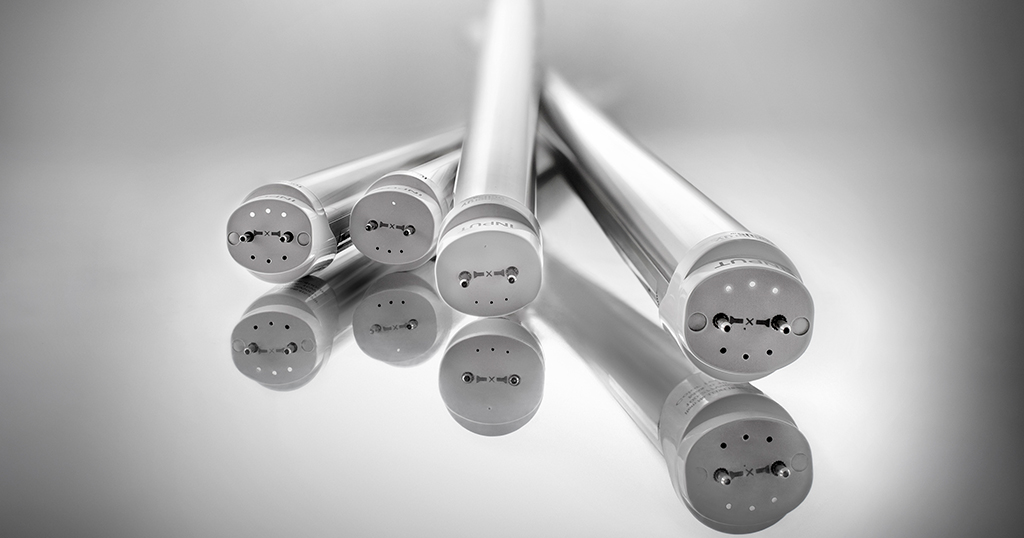
ADS is a proud partner and government supplier of Energy Focus, an industry leader in LED technology research and development. Outdated fluorescent technology, whether in a warehouse, on a ship or in an office is proven to cost more, use more energy, require more manpower and strain the eyes. The Energy Focus 2-ft. LED is a direct replacement for these legacy fluorescent lamps, operates with or without a ballast, works with the New Emergency Automatic Lighting System (NEALS), and has a starter that can be removed in either mode of operation. Energy Focus’ technology is the only LED replacement lamp approved by the U.S. Navy for shipboard lighting.
TEST YOUR KNOWLEDGE!
Test Your LED Lighting IQ with this QUIZ provided by the Department of Energy.
If you’d like to learn more about LED lighting and other energy efficiency solutions that can save you time and money, contact a knowledgeable ADS Representative at 866-845-3012 or fill out the information form below and we will be in touch with you within 1 business day.
WANT TO LEARN MORE!?
Fill out this form to be contacted with more information about our Energy Efficiency Solutions.
For immediate assistance, call us toll-free at 866.845.3012. Have a question or need a quote? Email us at customercare@adsinc.gurumediadev.com or contact us and we’ll respond within 24 hours.
SOURCES
- n.d. Navy Shore Energy Program. http://www.cnic.navy.mil/om/base_support/facility_system_investment/Navy_Shore_Energy_Program.html.
- Shavers, Lt. j.g. Clyde. n.d. Navy Installations Go T-LED: Replacement of Fluorescent Bulbs. http://www.navy.mil/submit/display.asp?story_id=90427.
- Snyder, Tim. 2013. LED Lights Are Now Being Used By The Military. 09 16. http://4wheelonline.com/led-lights-military.231321.0.
- n.d. Solid-State Lighting. https://en.wikipedia.org/wiki/Solid-state_lighting.
- n.d. The True Cost of Lightbulbs. http://greenlivingideas.com/2015/02/19/the-true-cost-of-light-bulbs-led-cfl-incandescent/.
- n.d. Top 8 Things You didn’t Know About LEDs. http://energy.gov/articles/top-8-things-you-didn-t-know-about-leds.
- n.d. Wikipedia. https://en.wikipedia.org/wiki/Compact_fluorescent_lamp.
ADS Inc. is a leading value-added logistics and supply chain solutions provider that proudly serves all branches of the U.S. Military, federal, state and local government organizations, law enforcement agencies, first responders, partner nations and the defense industry. ADS is a Top 50 Department of Defense Contractor and Gold Tier supplier for the Defense Logistics Agency. The company is focused on solving customers’ challenges by providing the best product and service offerings, the broadest array of procurement and contract options, world-class support and legendary customer service.